






Chiapa de Corzo
Archeological site
Chiapa de Corzo
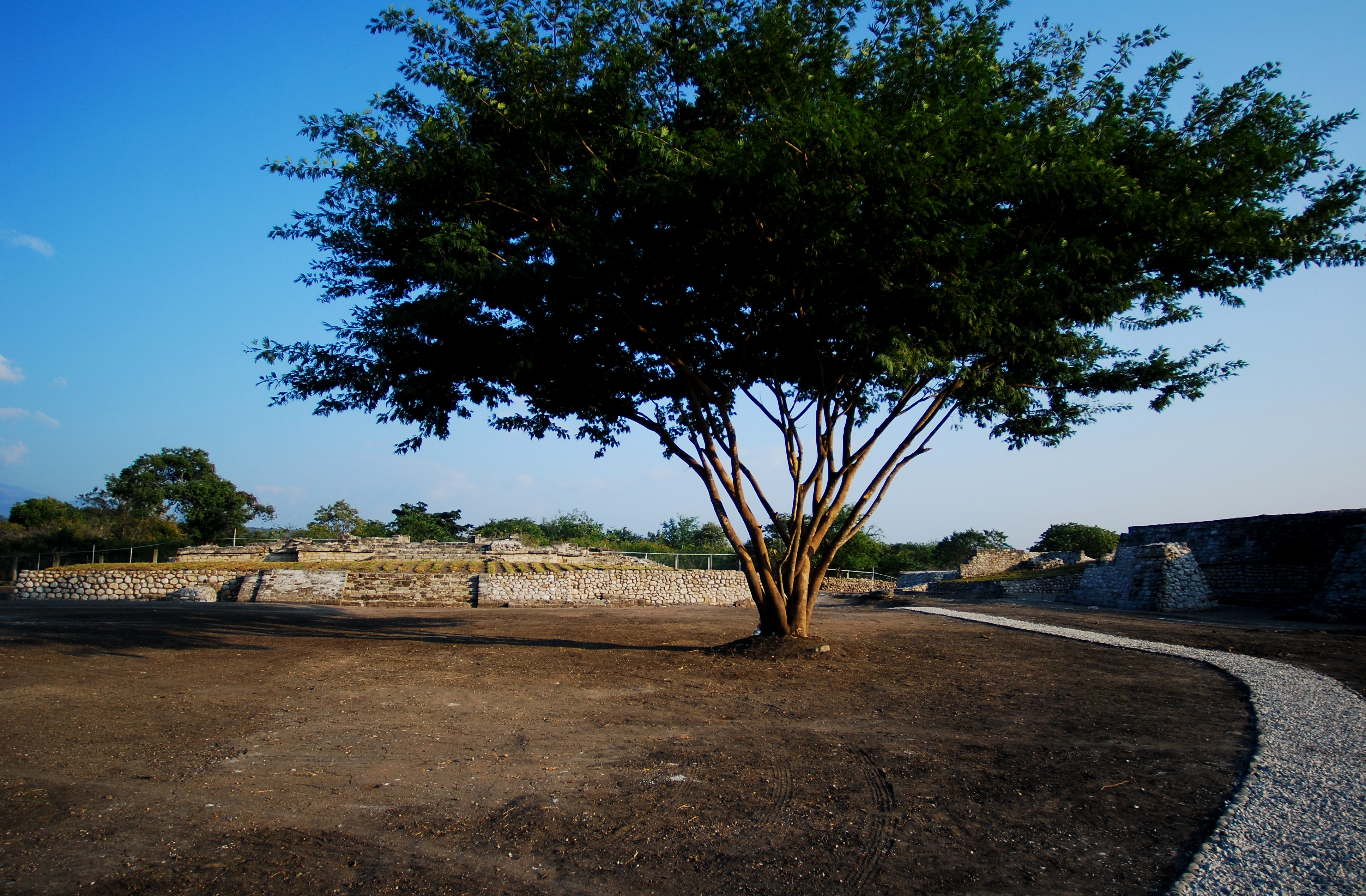
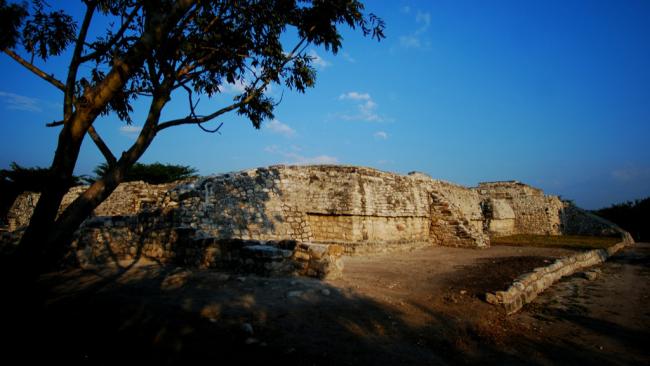
In the remote past this was an agricultural village on the banks of the river Grijalva and it became the most important ceremonial center of the Mixe-Zoque people. Its terraces, plazas and constructions, as well as the multitude of tombs with offerings and the ornamentation of the temples decorated with fine limestone, show its importance.
Chiapa de Corzo was one of the main pre-Hispanic settlements of the Chiapas Central Depression. Its location on the right side of the River Grijalva, on fertile alluvial terraces and at a crossing of important roads, allowed it to prosper and control trade from the Gulf coast to the Chiapas highlands.
The first occupation of the site was around 1250 BC, when it was a farming village, but it grew until it became of the the largest settlements of the Zoque region, and a focal point of the cultural and economic subregion. In its heyday, at the start of the Common Era, the main buildings were made from well-cut stone with red painted stucco-covered facades. The inhabitants established commercial networks with central Mexico, the Gulf coast and the Guatemalan Petén, as evidenced by the raw materials and objects which came from these areas.
After the year 400 AD it lost importance when it was subjugated by the Mayan and Zapotec centers which closed the trading networks. The site was completely abandoned 250 years later and around 900 AD it was occupied once again by the Chiapanecs, a group who arrived from somewhere to the south of the territory of Mesoamerica, speaking a language unrelated to Maya or Zoque, and who lived there until well into the colonial period.
The Chiapanecs made the most of the strategic location of Chiapa de Corzo to found their political capital, called Nandalumí or Napiniaca, very close to the remains of the previous culture, and when the Spanish arrived this was the largest and most important settlement in the region. Today what remains of the Zoque and Chiapanec structures are among the foundations of colonial and modern buildings.
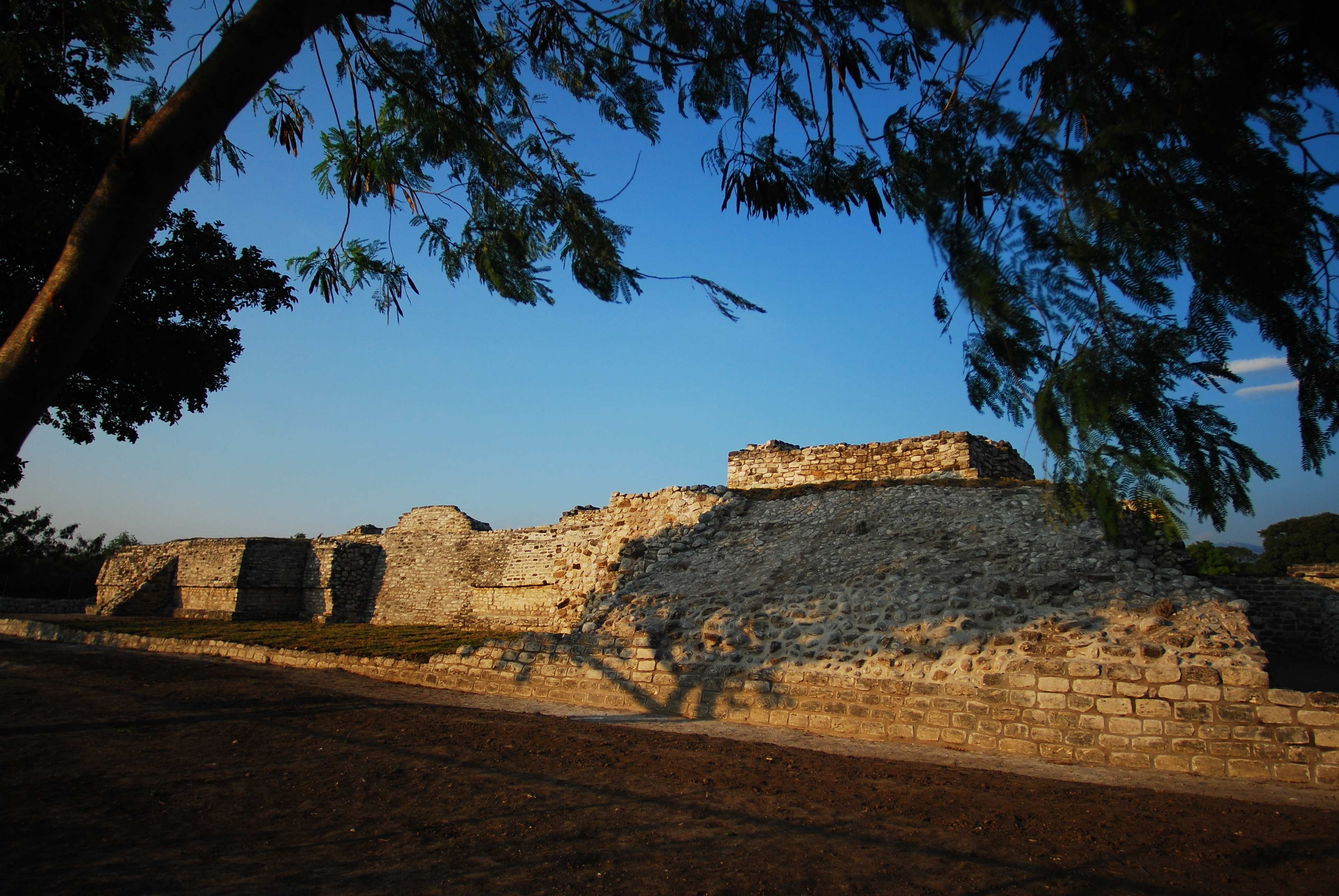
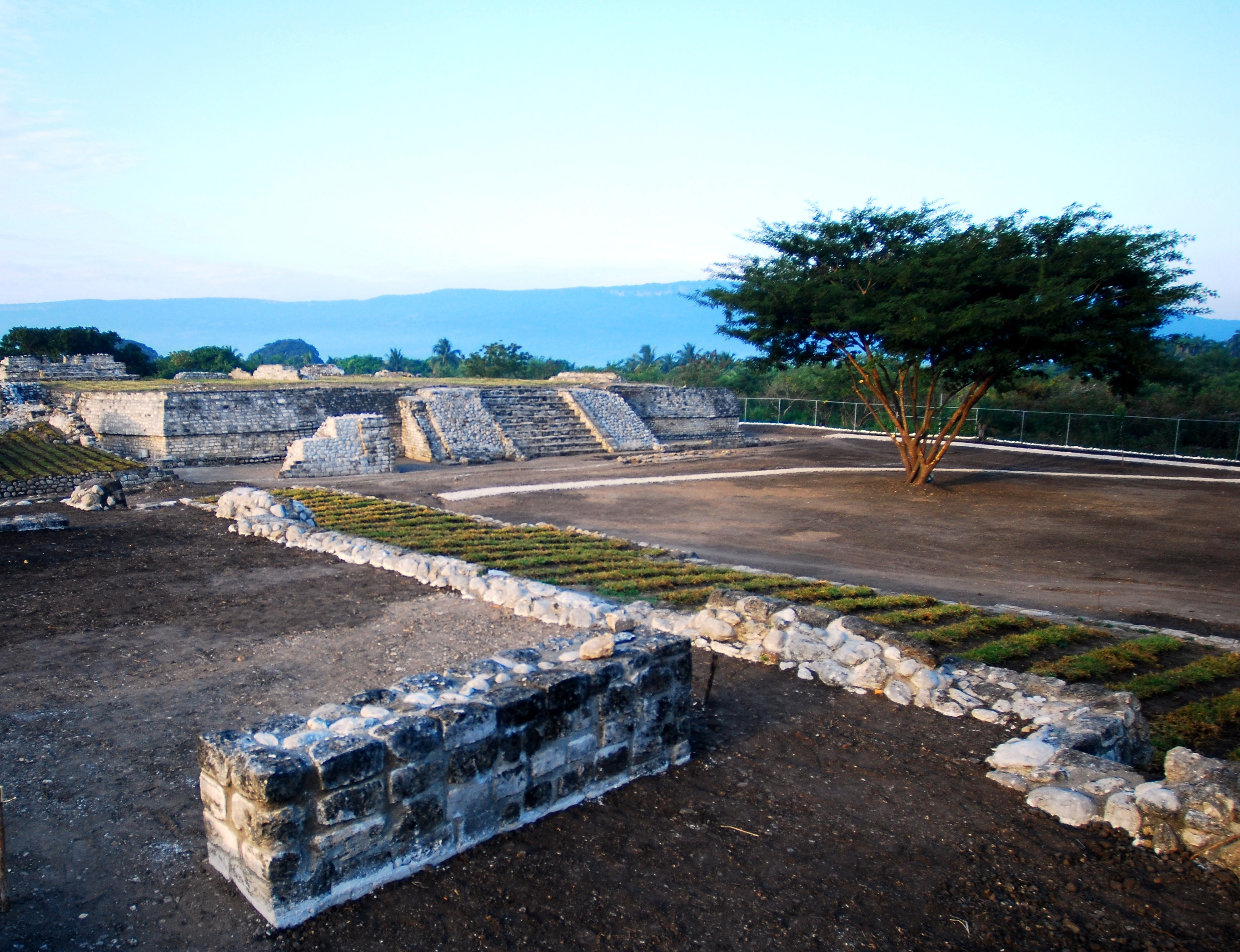
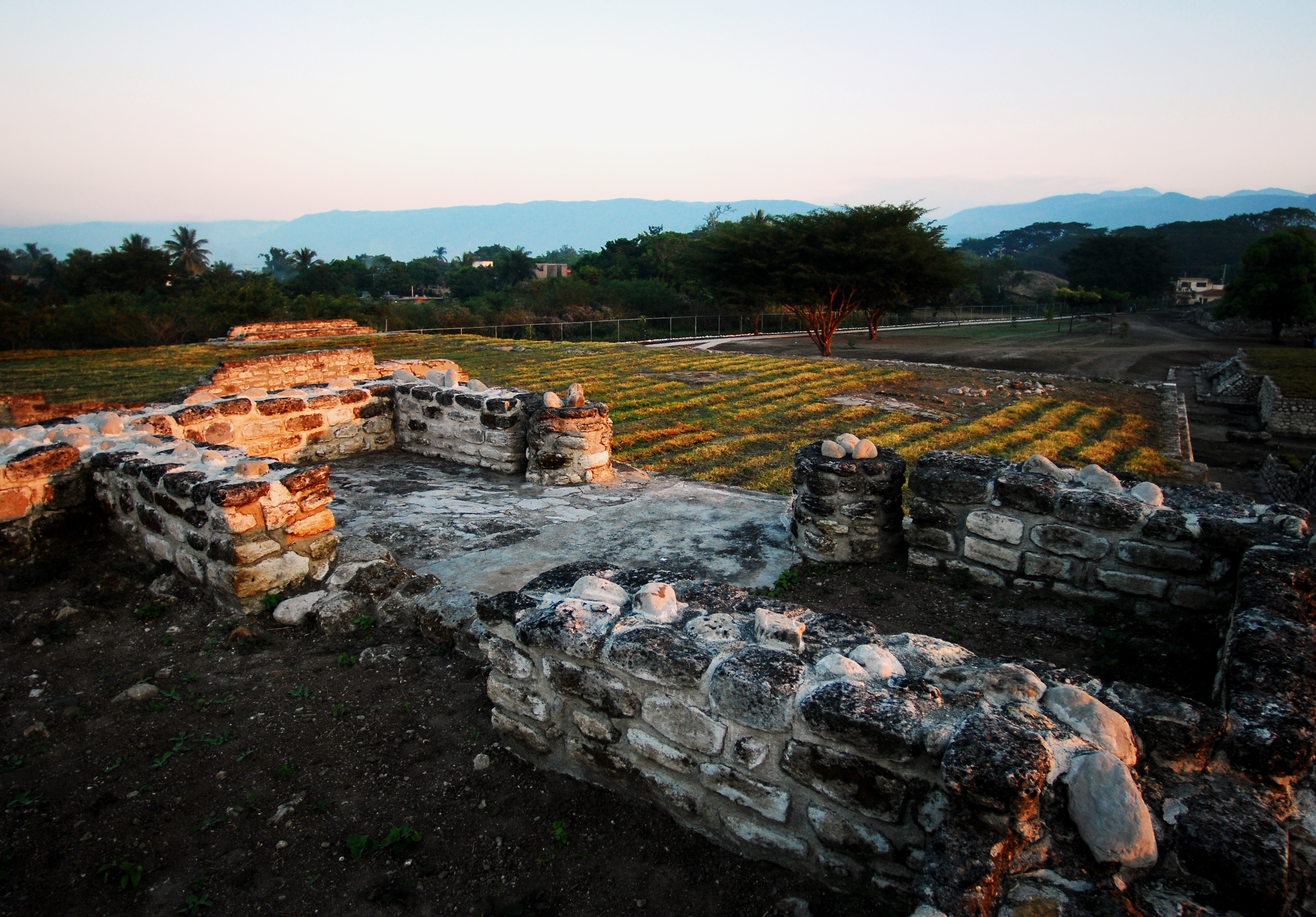
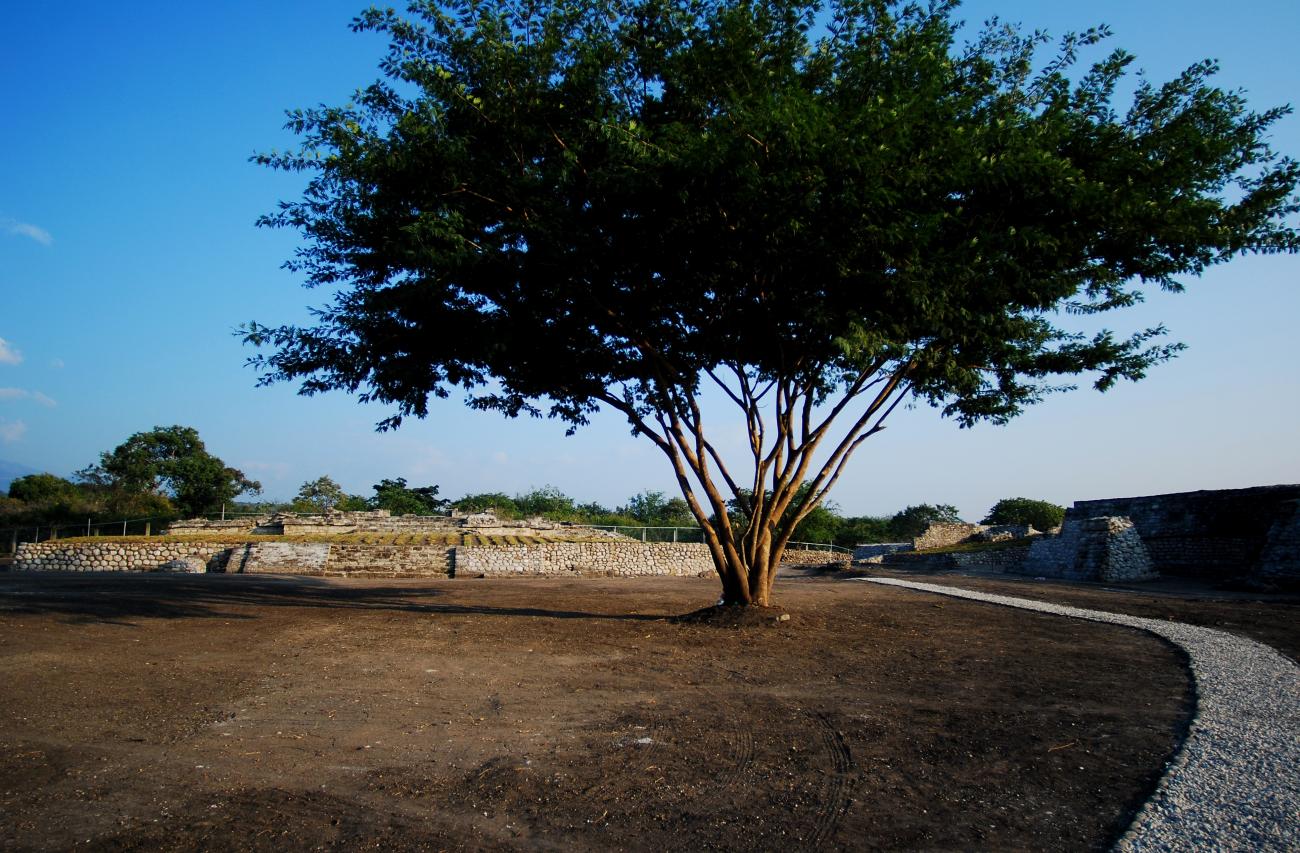
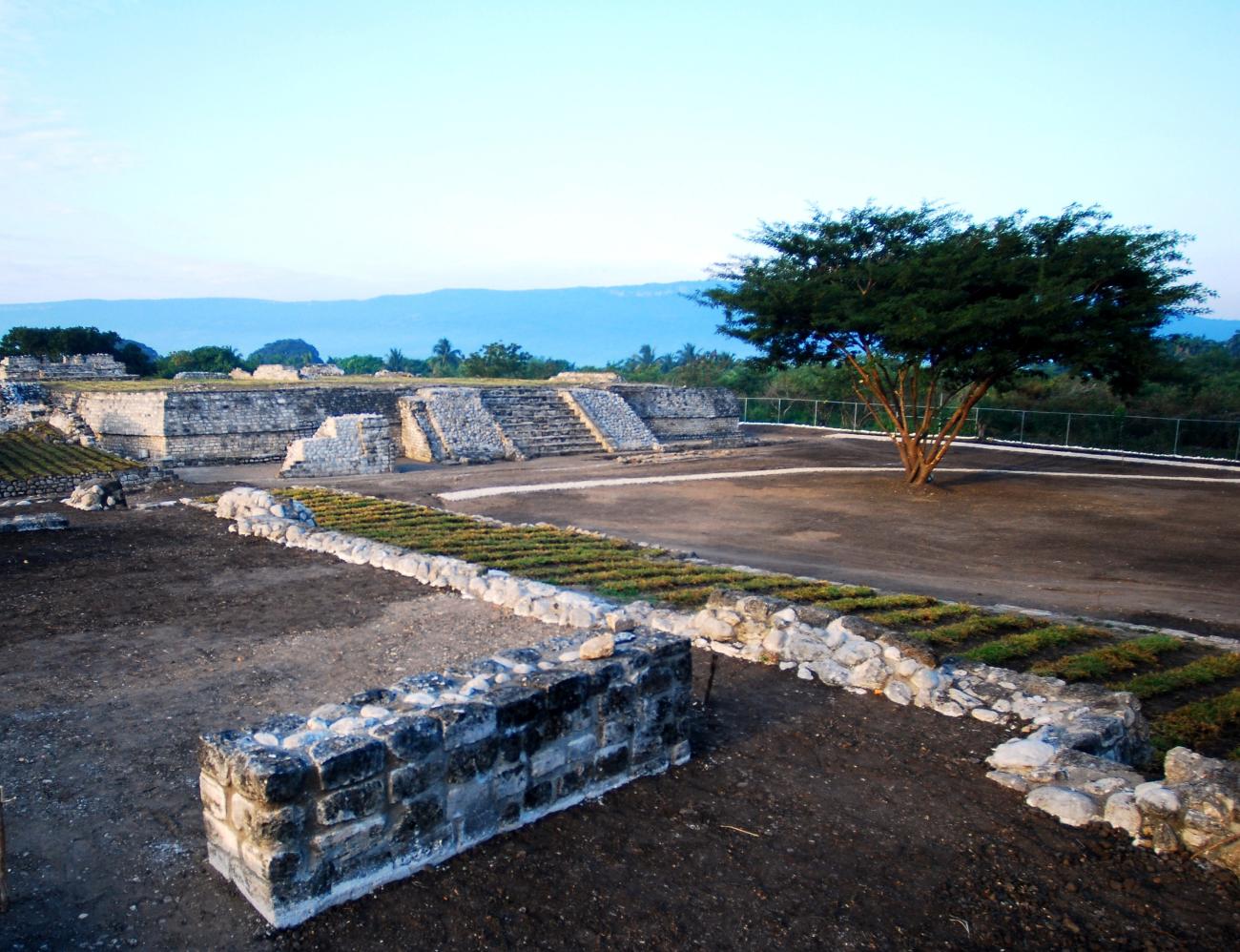
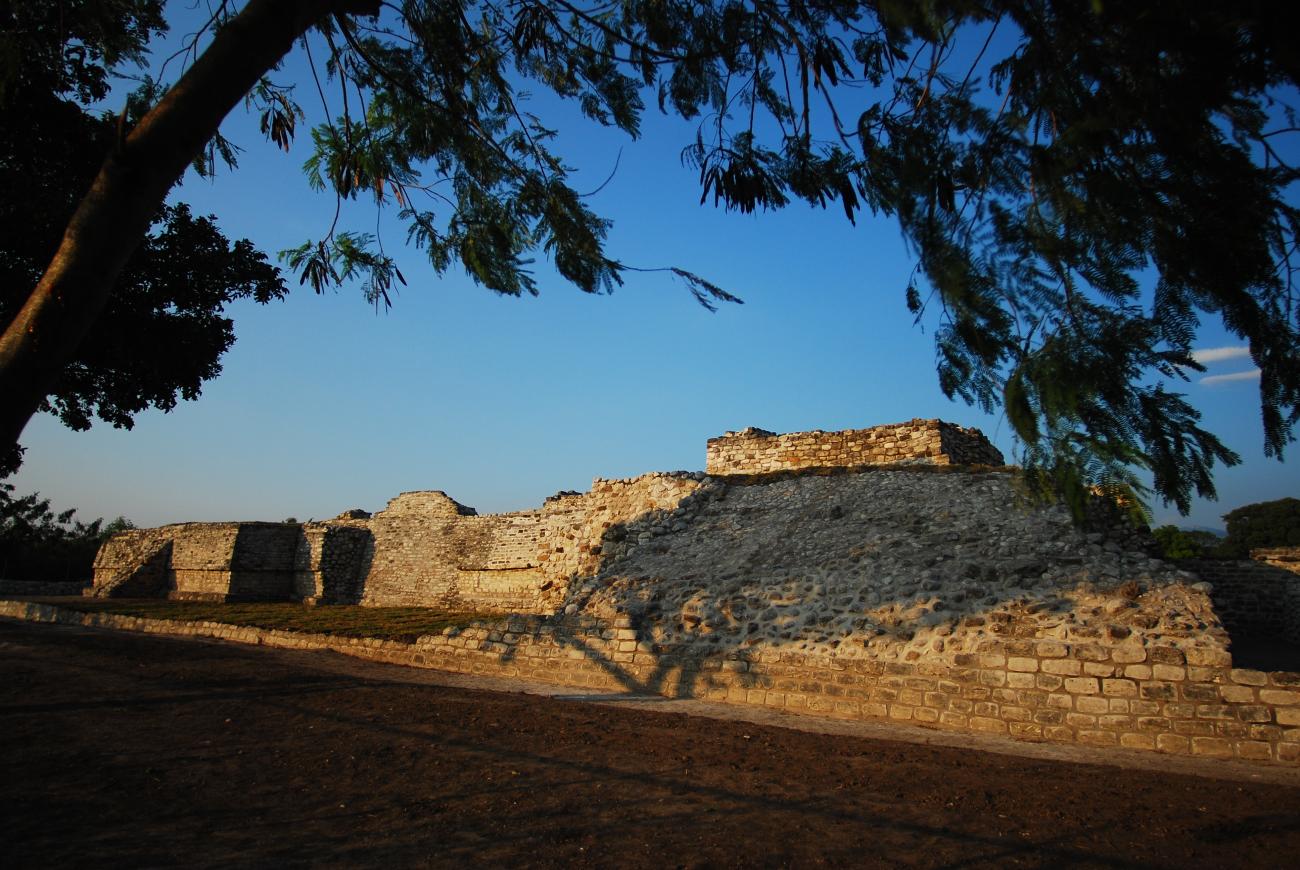
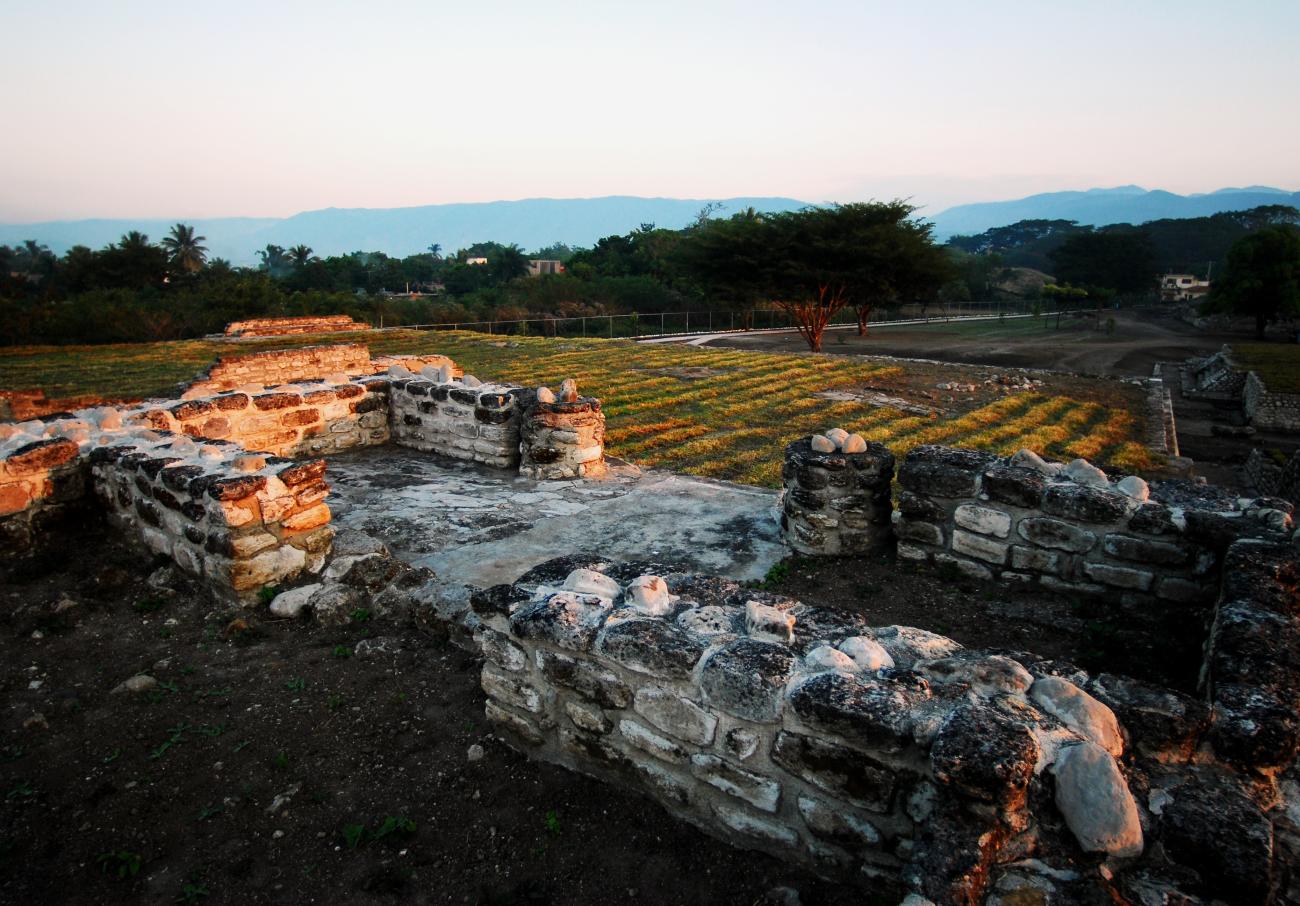
At its peak, the center of the ancient Zoque settlement of Chiapa de Corzo had more than 200 buildings including temples, platforms and houses which were arranged around plazas and patios. Zoque buildings were erected on platforms, which had a general T-shaped plan, and were decorated with moldings which gave the bases a particular profile, known as “cabin profile.” The principal façades of the platforms have wide stairways with double balustrades, a Zoque architectural feature very typical of the place.
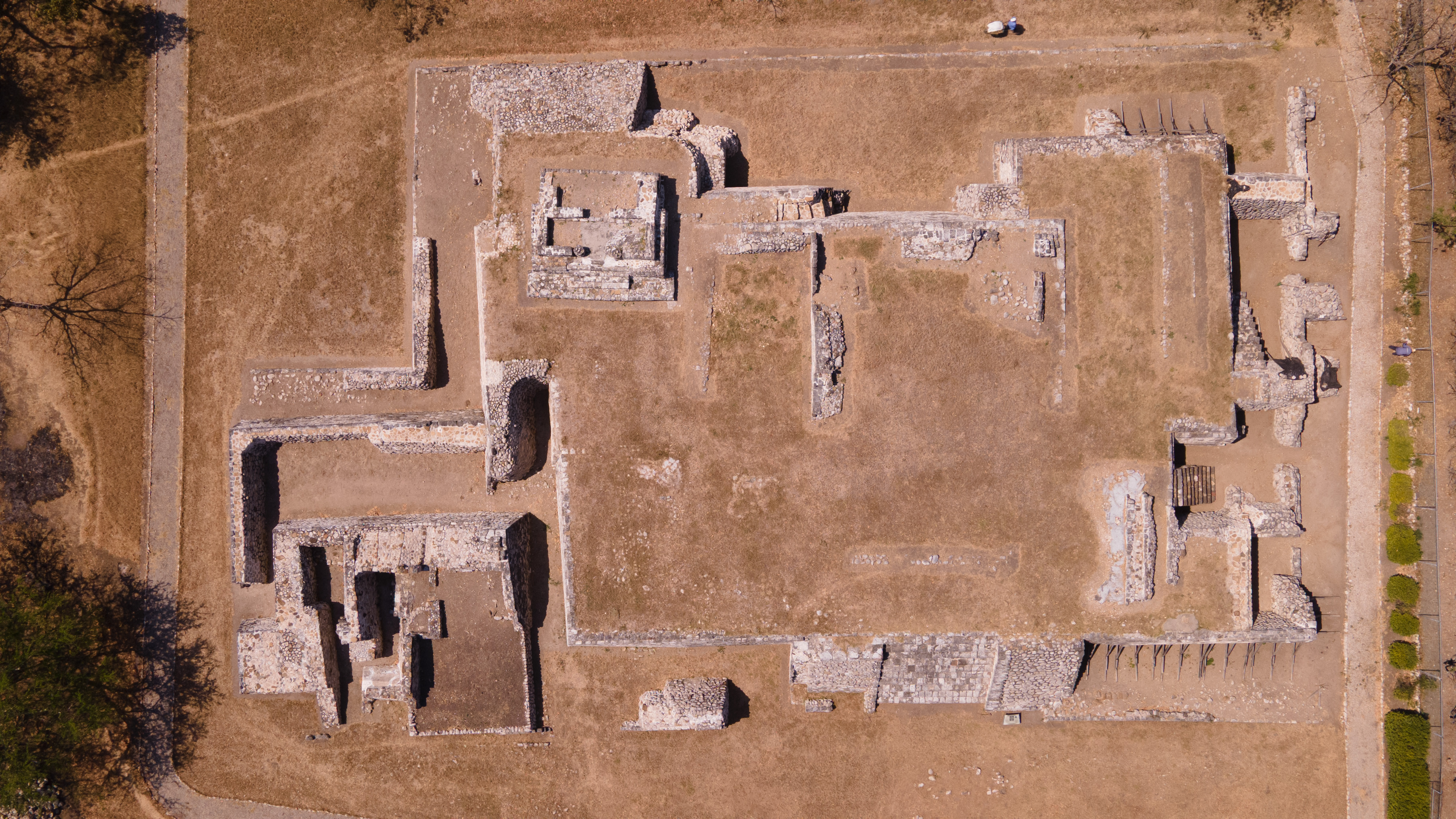
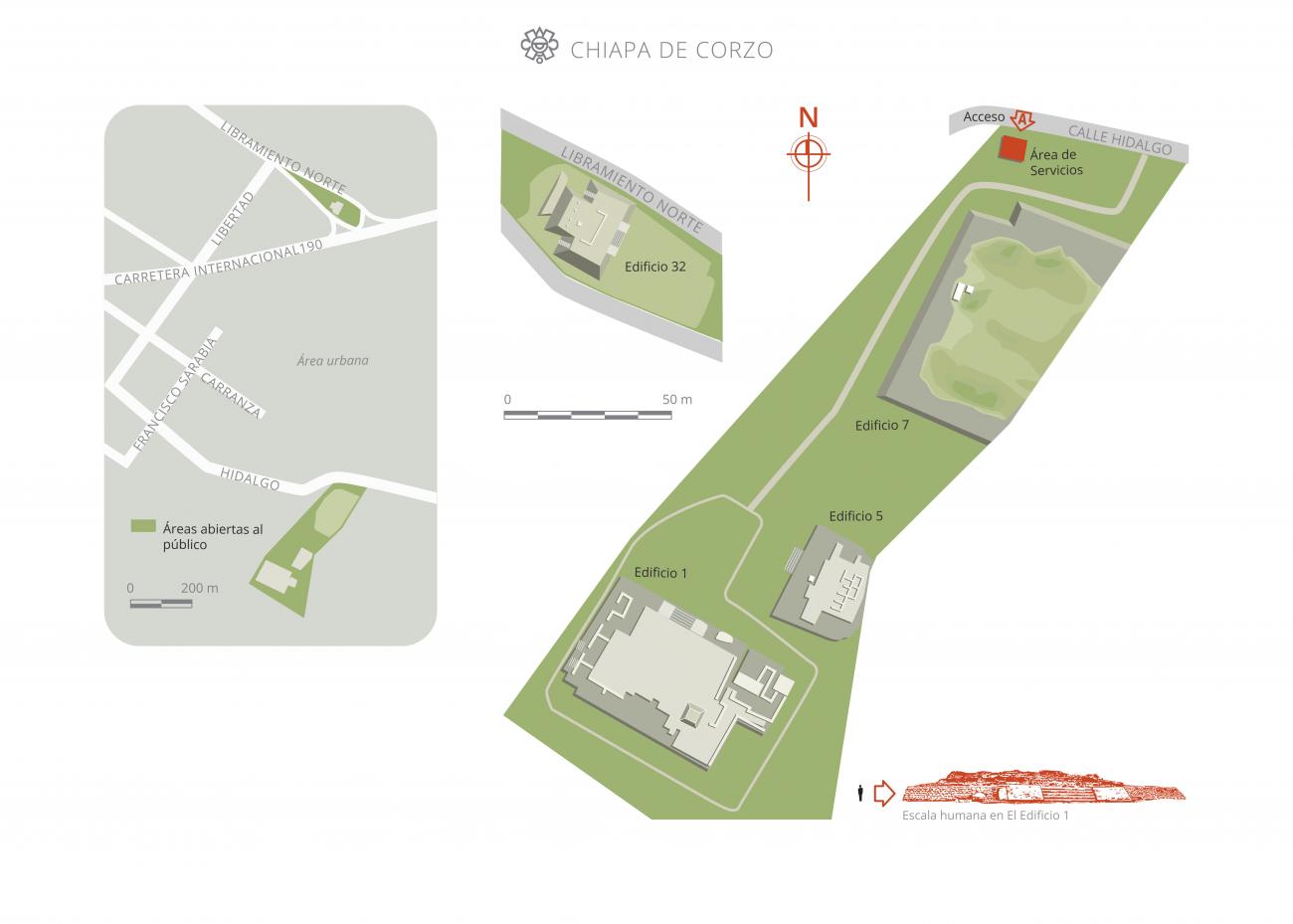
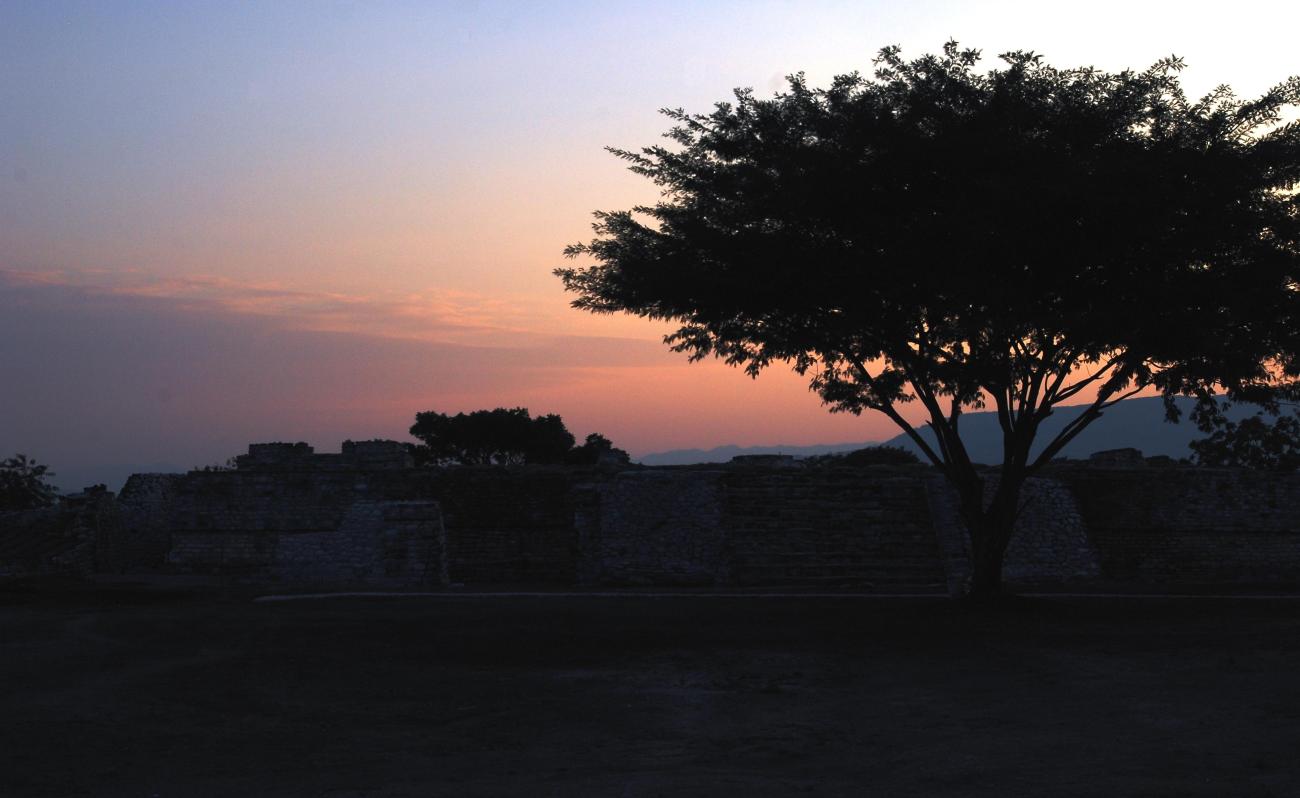
Between the structures which may be visited today are those which make up the most ancient and important part of Chiapa de Corzo, Buildings 1, 5, 7 and 32, where the Zoque carried out ritual and administrative activities.
Of these 1 and 7 functioned as temples with several rooms and porticoed entrances. Building 1 had an additional function, as the burial place of priests and governors, whose tombs included substantial offerings. It is thought that Building 5 could have been the governor’s house because of its numerous rooms.
Building 32 is a temple with architecture typical of Chiapa de Corzo. It is located on the northern edge of the site’s core area, which today is next to a road junction of the Chiapa de Corzo northern bypass and the Panamerican Highway, or Federal Highway 92.
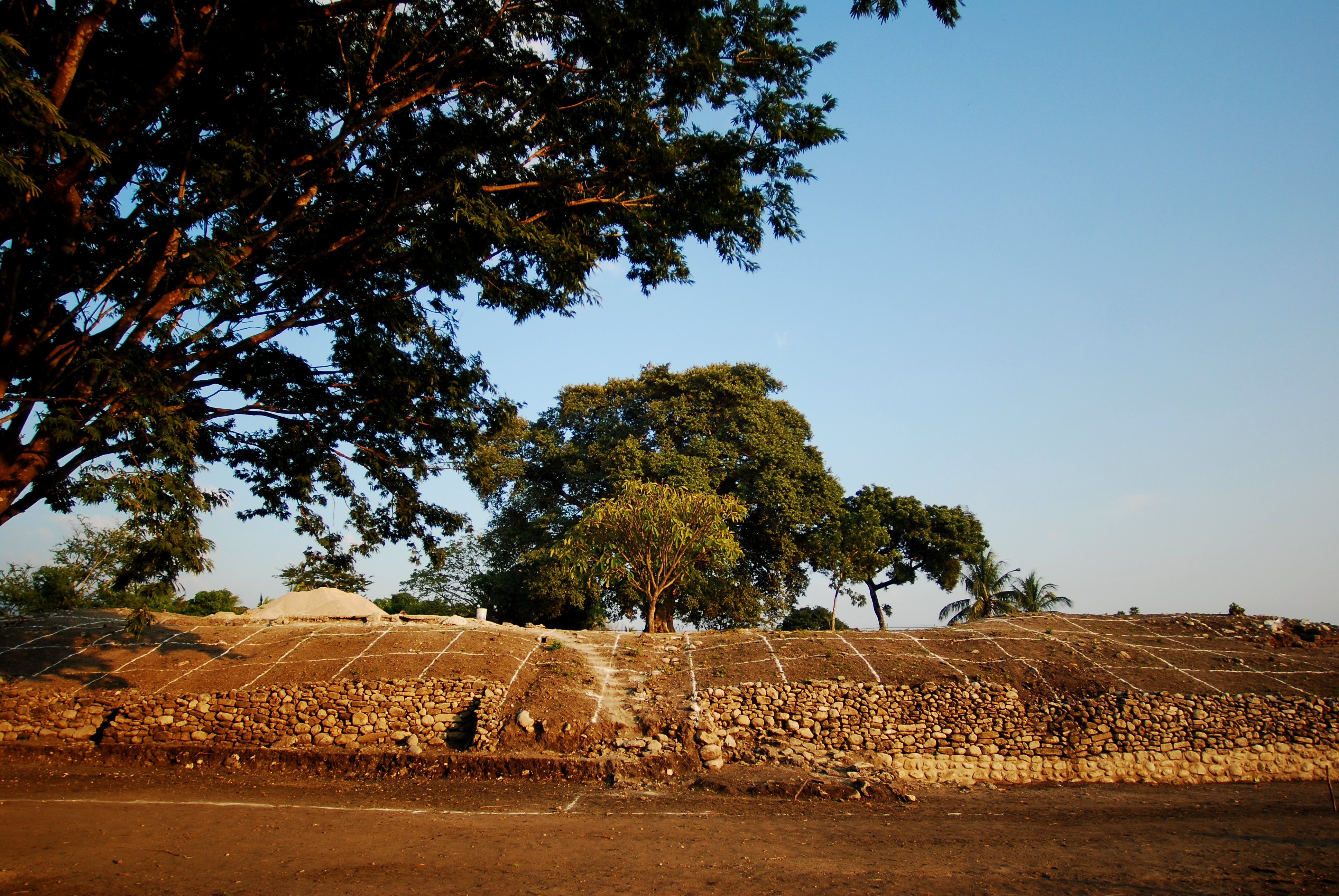
Mounds 11 and 12, which are not open to the public, are, together with Mound 13 and Building 7, the most ancient parts of the monument zone of Chiapa de Corzo. Some researchers propose that these two mounds form part of a building group dedicated to astronomy, since its configuration is very similar to the so-called E Complex of the Maya: two buildings from which solar measurements were undertaken.
The significance of this complex at Chiapa de Corzo is demonstrated by the burials and the set of artifacts recently discovered there. For example, rich offerings and burials of elite personages were found there between 2008 and 2010. Among the offerings found inside and at the foot of these mounds were groups of axes and fine Olmec-style ceramics, which are evidence of contact with peoples from the Gulf coast. The most important burial was inside Mound 11 where one of the place’s first governors was buried between 700 and 500 BC, accompanied by a lower-ranking boy and a woman. The personal adornment of this governor included more than 1,000 pieces of jade.
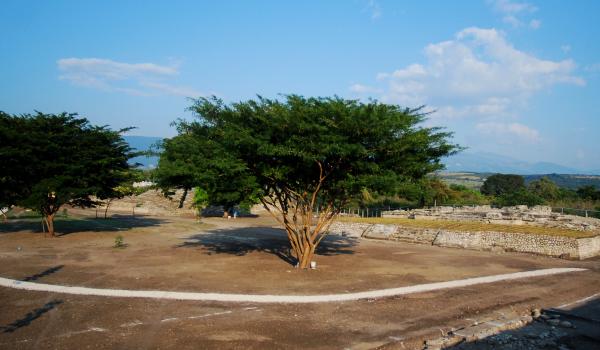
Plaza Central (asentamiento zoque antiguo)
Among the structures that can be visited today are those that make up the oldest and most important part of Chiapa de Corzo: Buildings 1, 5 and 7 and 32.Building 1: It is the largest construction of the ancient city of Chiapa de Corzo. It is a wide base made of carved stone and covered with stucco…
Plaza Central (asentamiento zoque antiguo)
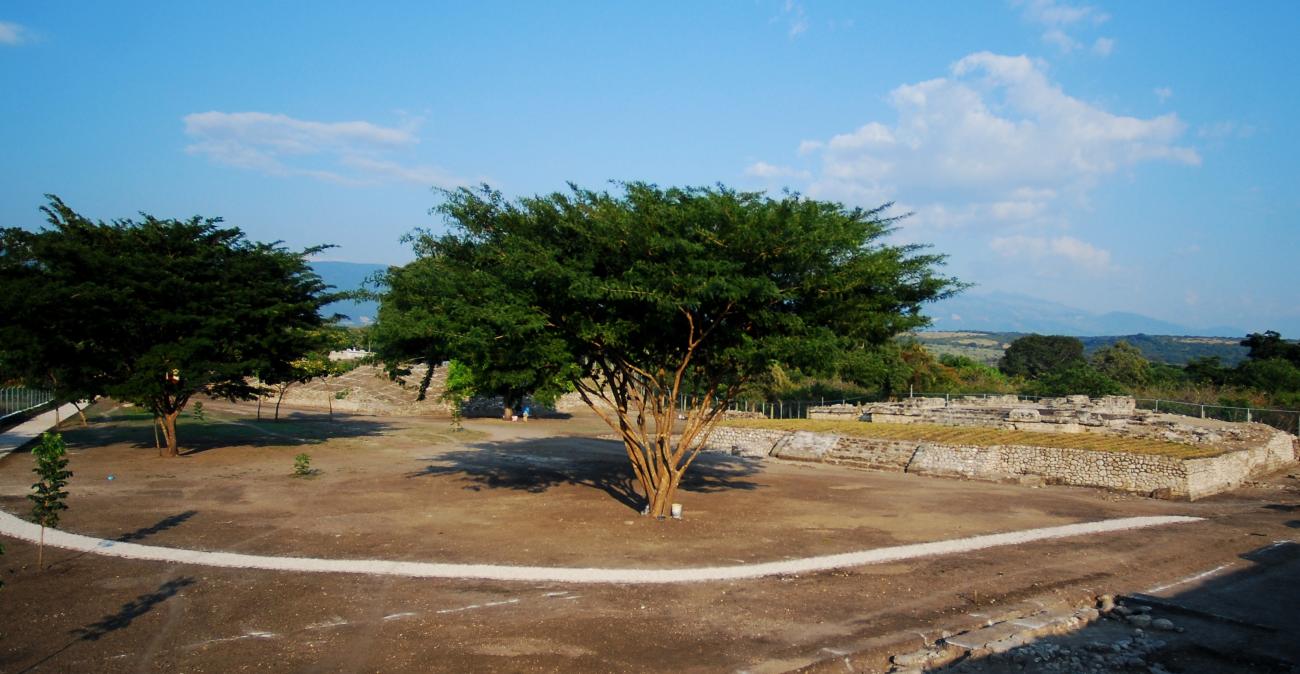
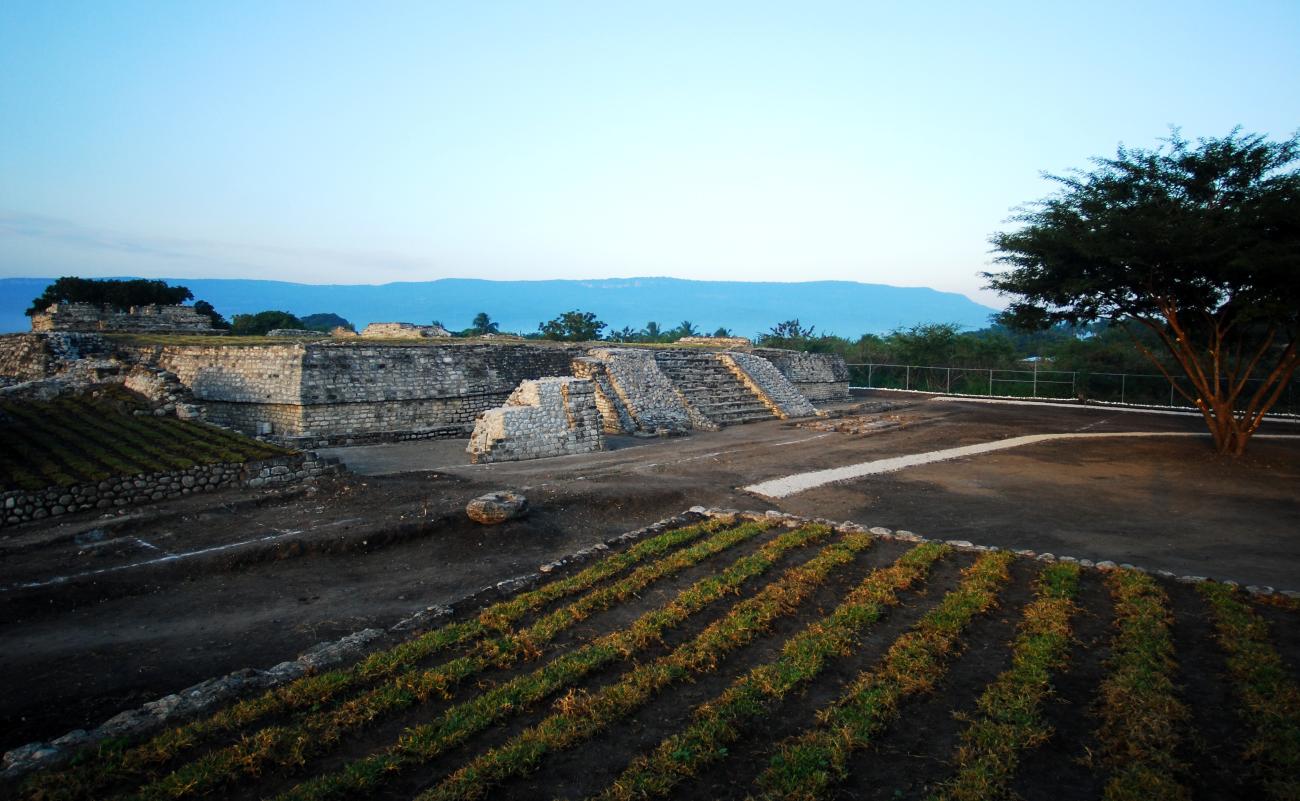
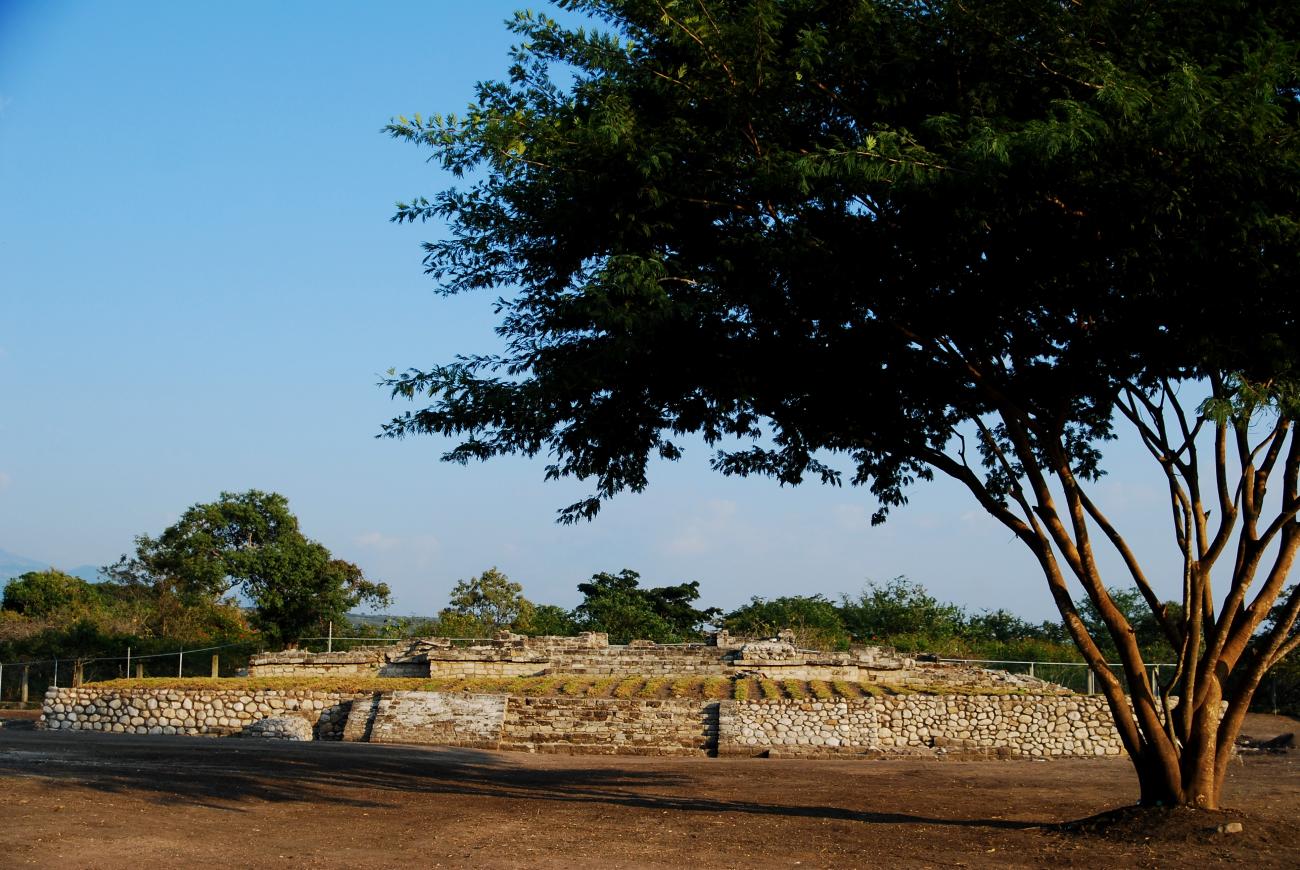
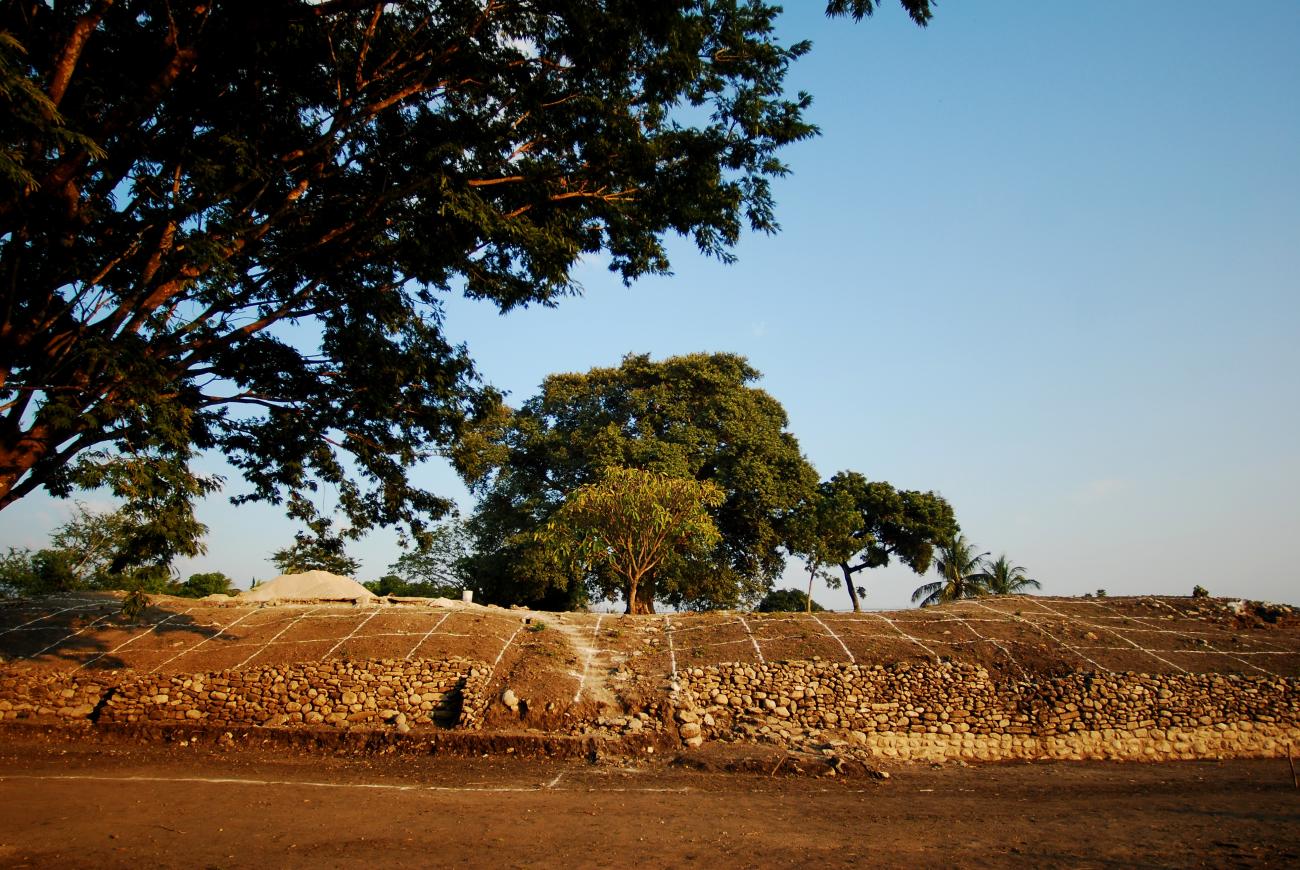
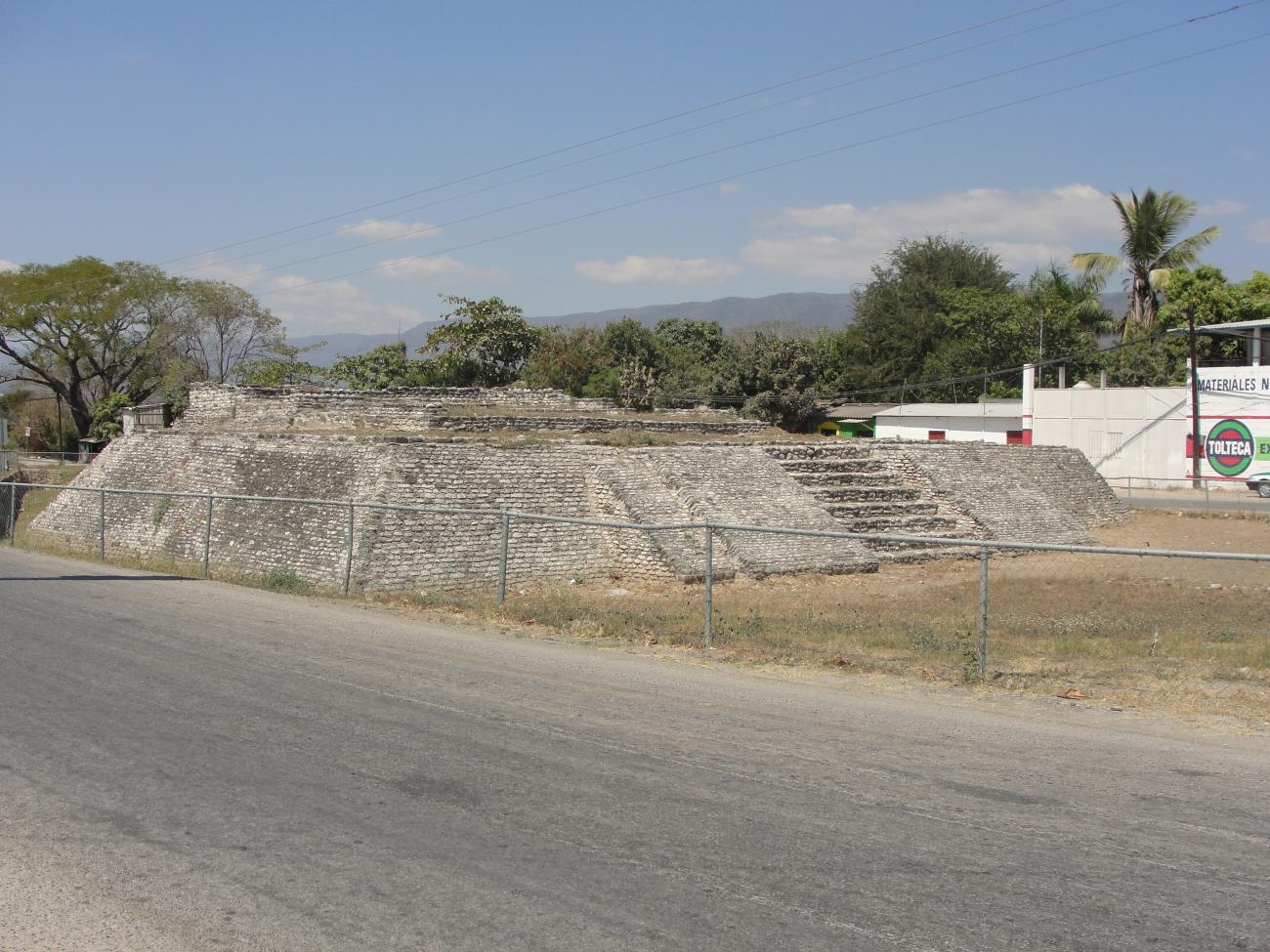
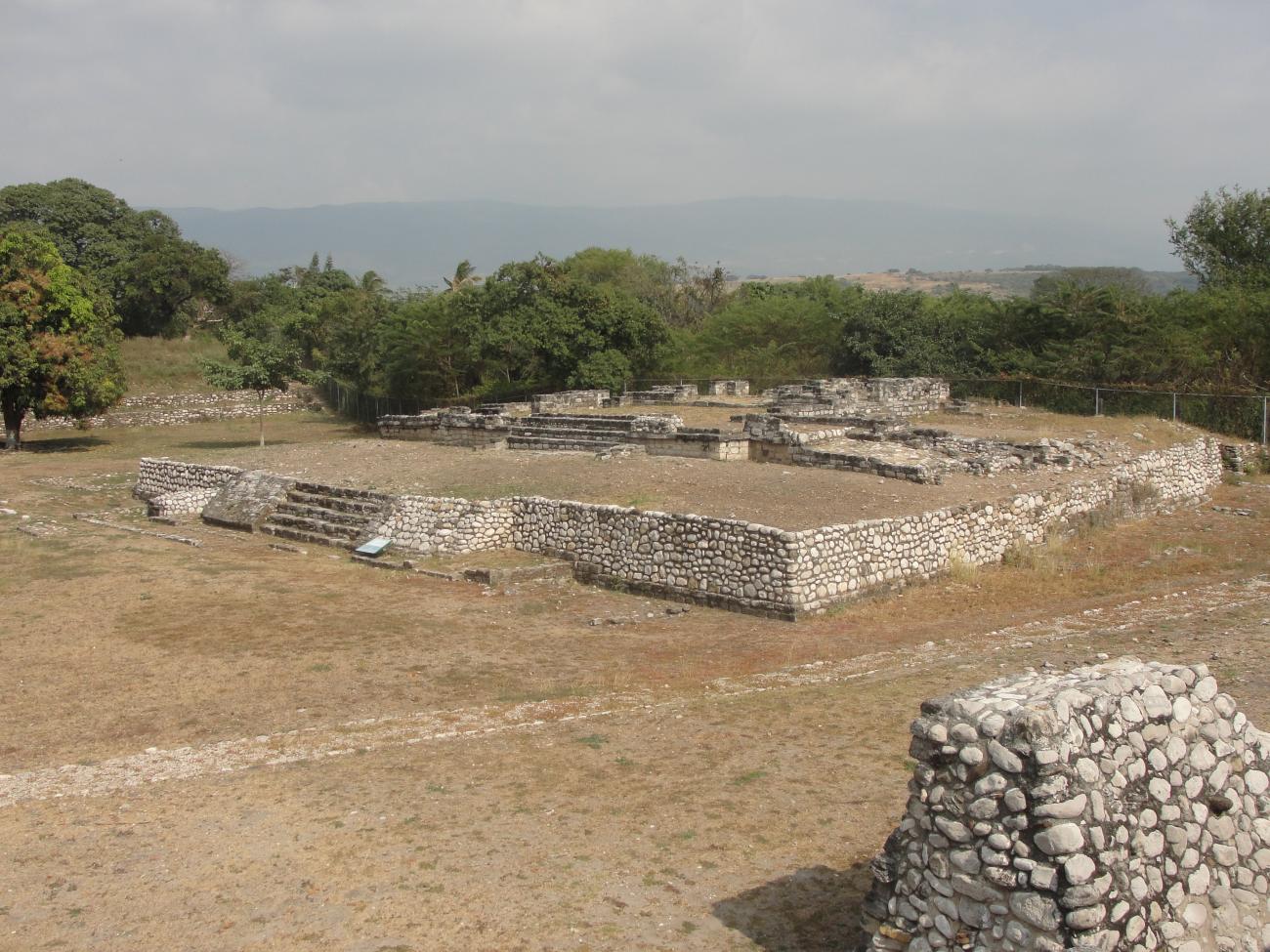
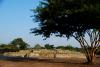
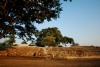
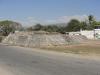
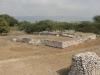
Among the structures that can be visited today are those that make up the oldest and most important part of Chiapa de Corzo: Buildings 1, 5 and 7 and 32.
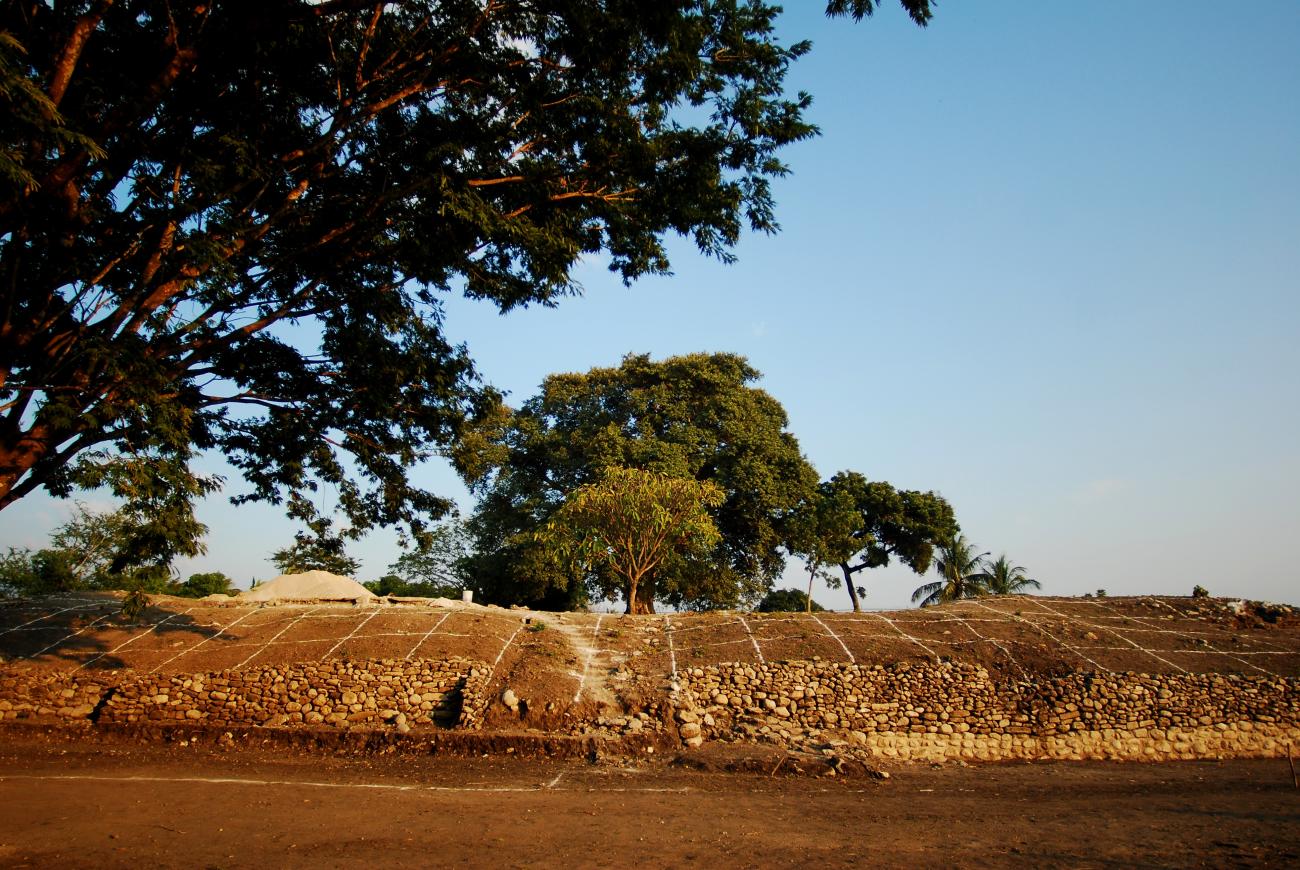
Building 1: It is the largest construction of the ancient city of Chiapa de Corzo. It is a wide base made of carved stone and covered with stucco that received multiple modifications between 300 and 100 B.C. It was built on the remains of adobe houses of an older residential area. Its main function was religious, since several of the most important temples of the place must have been built on top of it.
The transcendence of this building is denoted by the fact that some of the rulers and elite of the site were buried here, whose tombs were richly adorned with objects of great symbolic value. A selection of these objects are exhibited in the archaeological room of the Regional Museum of Chiapas, in Tuxtla Gutierrez.
Building 5: It was built around 100 B.C. and was modified several times between that date and 400 B.C. It is a relatively low platform that in the upper part presents the remains of several stuccoed rooms. Hundreds of high quality plates and vases were recovered from this building and deposited as an offering on the floor of the rooms of one of the last construction stages. Such an offering was part of an ancient ceremony of renovation of the building, since after that it was intentionally burned and then renovated. For its number of rooms and its offerings, it has been suggested that it was the residence (or palace) of the rulers of Chiapa de Corzo.
Building 7: It is one of the largest structures of Chiapa de Corzo. Together with Buildings 1, 5 and 8 it forms the central plaza of the ancient Zoque settlement. It was partially excavated without clearly defining its function. For some constructive elements present in the high part, for example remains of double rooms, it is believed that it had religious function as a temple, although, given its dimensions, it could have been the place where the houses of the rulers were located. It is also known as “The Acropolis” or “Palace Mound”.
Building 32: Located at the intersection of the Panamerican Highway and the Libramiento Norte of the current city of Chiapa de Corzo, it consists of a foundation for a temple and the remains of several rooms at the base of it. It was built at the beginning of our era and expanded several times between the years 100 and 200, using slabs and carved limestone. It is one of the structures that mark the northern limit of the archaeological site of Chiapa de Corzo. It must have been the main temple of one of the neighborhoods or partialities of the pre-Hispanic Zoque settlement. Unlike the buildings of the constructive nucleus (the area where Buildings 1, 5, 7, 12 and 13 are located), the base of Building 32 does not show facades decorated with moldings, but smooth and sloping, although it does have the typical wide staircase limited with double alfardas that characterizes the Zoque architecture of Chiapa de Corzo.



Contact
- Dirección del Centro INAHLeobardo Daniel Pacheco Ariasleobardo_pacheco@inah.gob.mx+52 (961) 612 2824AdministraciónKeiko María Teranishi Castillokeiko_teranishi@inah.gob.mx+52 (961) 612 2824